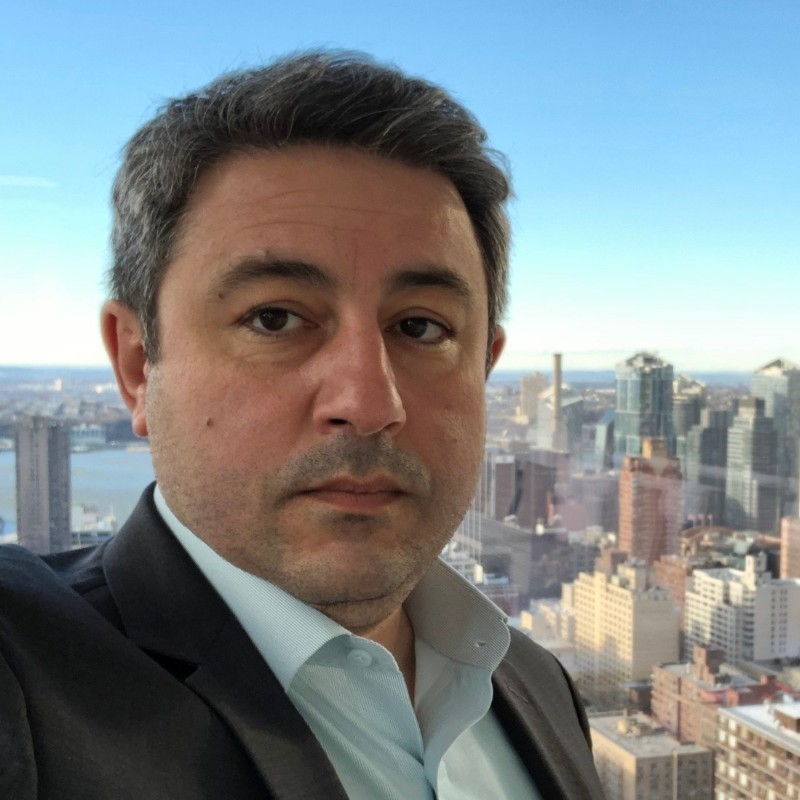
In this exclusive interview Samir Suleymanov, a former executive of World Bank and IMF and the current Chairman of For Azerbaijan, shares his journey of transforming the charity’s vision into sustainable impact for conflict-affected families. He discusses the challenges of implementing mental health programs and the inspiration behind launching a PTSD training initiative for local psychologists. Suleymanov emphasizes the importance of long-term solutions, collaboration, and transparency in nonprofit work.
Interviewer:
Thank you for joining us, Samir. You’ve had a long and successful career at institutions like the World Bank and the IMF. What motivated you to become the Chairman of For Azerbaijan?
Samir Suleymanov:
Thank you for having me. The motivation came from a deep sense of responsibility toward Azerbaijan and its people. The events of 2020, particularly the Second Karabakh War, left many families in emotional and financial distress. I wanted to use my experience to lead an organization that provides tangible help to those who need it most—especially those impacted by the conflict. For me, For Azerbaijan is about giving back in a way that truly makes a difference.
Interviewer:
As Chairman, what are some of your main goals for the organization?
Samir Suleymanov:
Our primary goal is to provide sustainable support. We don’t want to offer just temporary relief—we aim to implement long-term solutions. This includes helping with mental health initiatives, education programs, and community rebuilding projects. One of my key goals is to build capacity within Azerbaijan so that local professionals and organizations can continue the work even when we step back. It’s important that we don’t just donate funds but empower the people and institutions to create lasting change.
Our primary goal is to provide sustainable support. We don’t want to offer just temporary relief—we aim to implement long-term solutions.
Interviewer:
For Azerbaijan has been particularly active in psychological rehabilitation, especially with your PTSD training program for local psychologists. What inspired you to lead this project?
Samir Suleymanov:
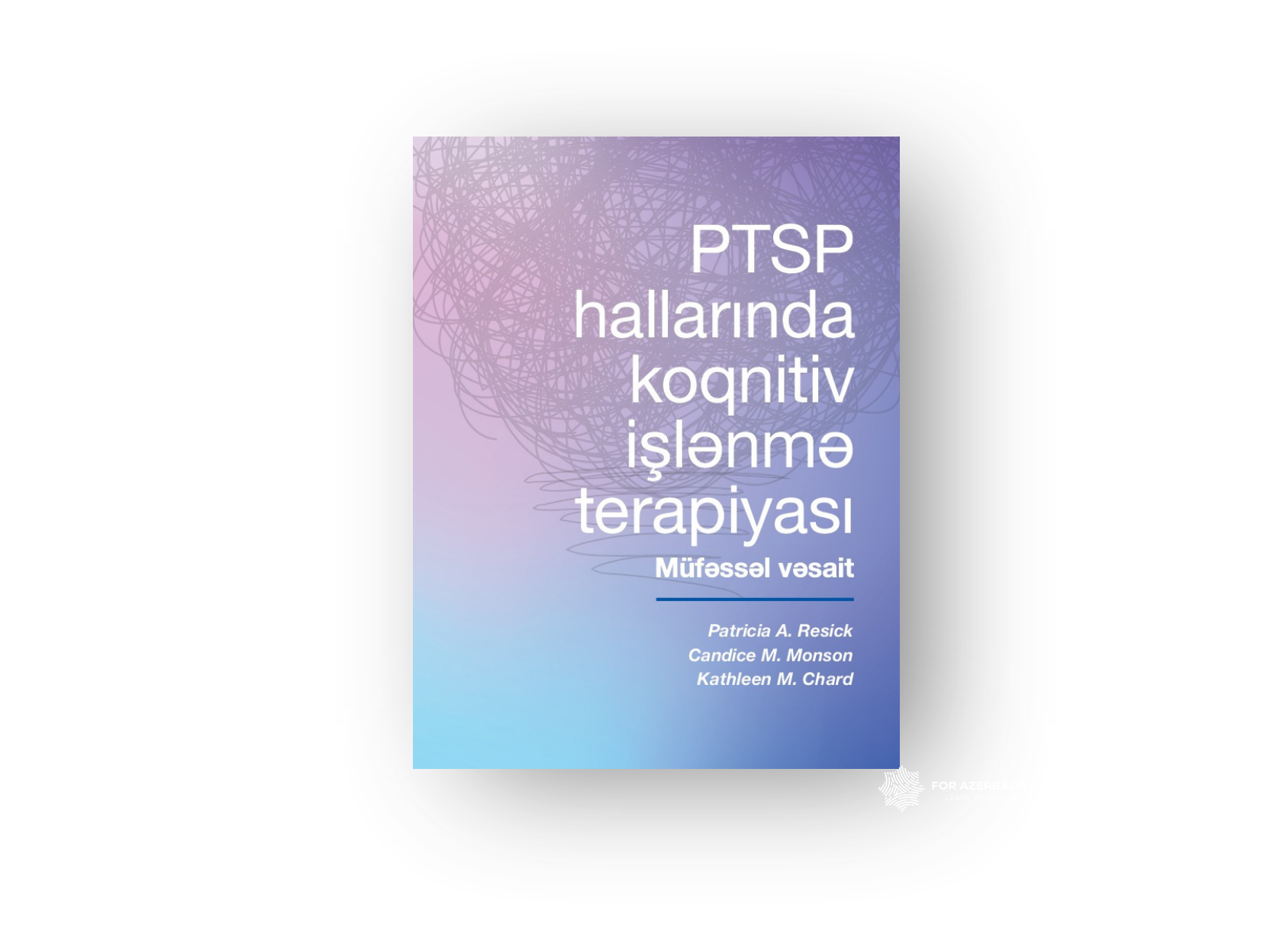
The inspiration came from seeing the immense need for professional mental health support in Azerbaijan. After the war, many veterans, soldiers, and their families were dealing with severe trauma, yet there was a significant gap in the country’s capacity to provide the necessary care. Through my international connections, I realized we could bring world-class expertise to Azerbaijan. By training local psychologists in Cognitive Processing Therapy (CPT) and Written Exposure Therapy (WET) for PTSD, we’re equipping them to handle these challenges long-term. It’s about building local expertise that will have a lasting impact.
Interviewer:
What have been some of the biggest challenges you’ve faced in leading For Azerbaijan and implementing these programs?
Samir Suleymanov:
One of the biggest challenges has been balancing the urgency of the needs with ensuring sustainable, long-term solutions. The immediate aftermath of the conflict created a lot of pressure to act quickly, but we also wanted to make sure our efforts were thoughtful and impactful. Another challenge is managing partnerships between international experts and local professionals. We’re introducing new methodologies like CPT and WET, which aren’t commonly practiced in Azerbaijan, so ensuring a smooth knowledge transfer and cultural adaptation has been complex.
Interviewer:
How do you see the PTSD training program evolving over the next few years?
Samir Suleymanov:
We envision it becoming a cornerstone of Azerbaijan’s mental health infrastructure. We’ve already trained a cohort of local psychologists, but we plan to expand the program further. The ultimate goal is to integrate these PTSD treatment methods into national health policies and make them accessible across the country. We’re also developing training materials, translating key resources into Azerbaijani, and working on a smartphone app to help PTSD patients manage their symptoms. Over time, I see this program shaping public health approaches to mental trauma in Azerbaijan.
Interviewer:
That’s incredible progress. What advice would you give to other leaders who want to make an impact in the nonprofit or humanitarian sector?
Samir Suleymanov:
My advice would be to stay focused on the long-term vision. It’s easy to get caught up in the short-term results, but real impact comes from sustained, thoughtful efforts. Also, partnerships are crucial. Whether you’re working with local governments, international organizations, or private donors, collaboration amplifies your efforts. And finally, transparency and accountability are key—especially in a nonprofit setting. People trust you with their time and money, and you have to respect that trust by being open about where resources go and the impact they have.
Interviewer:
Thank you, Samir. Your leadership and vision are truly inspiring, and we look forward to seeing how For Azerbaijan continues to grow under your guidance.
Samir Suleymanov:
Thank you. It’s been a pleasure, and I’m proud of the work we’re doing. There’s much more to be done, but I’m optimistic about the future.